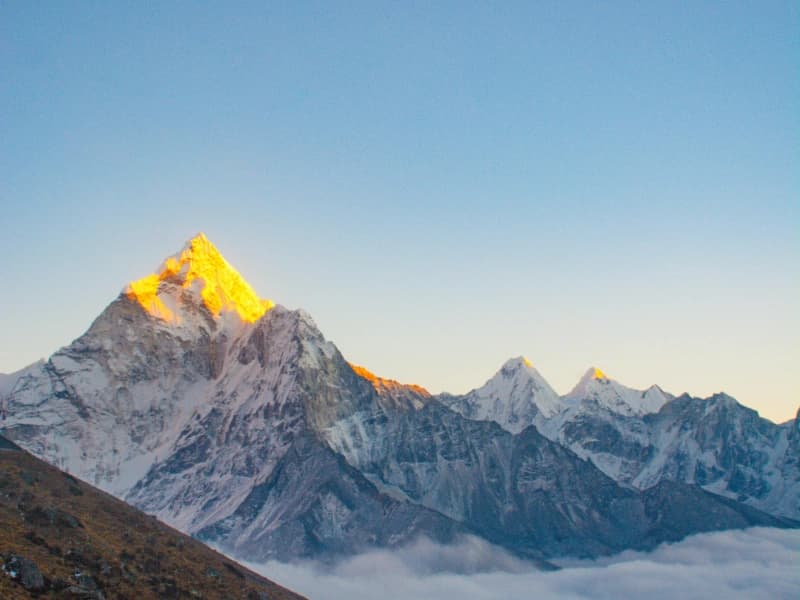
Everest Base Camp Trek: What You Need to Know
If you’ve ever dreamed of standing at the foot of the world’s highest mountain, the Everest Base Camp trek is your ultimate adventure. The trek takes you through the picturesque Khumbu region of Nepal, offering an unforgettable experience of towering peaks, Sherpa culture, and the thrill of reaching the iconic Everest Base Camp. This comprehensive guide will answer all your questions, from the best time to trek to the cost of Everest Base Camp trek, and more.
1. Everest Base Camp Trek Overview
The Everest Base Camp Trek is one of the most popular trekking routes in the world, attracting thousands of trekkers each year. Located in Nepal’s Sagarmatha National Park, this trek offers stunning views of Mount Everest, Mt. Lhotse, Mt. Makalu, and the entire Khumbu Icefall. Trekkers follow a traditional route from Lukla to Everest Base Camp, experiencing the local culture, breathtaking landscapes, and challenging altitudes along the way.
2. Best Time to Trek to Everest Base Camp
The best time for Everest Base Camp is during the two peak trekking seasons: spring that is from March to May and autumn, from September to November. These seasons offer clear skies, moderate temperatures, and the best visibility for stunning mountain views.
- Spring (March to May): Ideal for those who want to see the landscape in full bloom. Temperatures are moderately suitable for most people, and weather conditions are stable.
- Autumn (September to November): This is considered the second-best season, with cooler but clear weather after the monsoon season. The skies are often clear, offering great visibility of the mountains.
Avoid trekking during the winter (December to February) due to extremely cold temperatures and potential snowstorms, and the monsoon (June to August) because of heavy rainfall that can make trails slippery and dangerous.
3. Everest Base Camp Trek Distance & Duration
The distance of the Everest Base Camp trek varies slightly depending on your route, but it is generally around 130-160 km (80-100 miles). The trek usually takes 12-14 days to complete, which includes acclimatization days to prevent altitude sickness. Here's a simple breakdown of the trek:
- Day 1: Fly from Kathmandu to Lukla and trek to Phakding.
- Day 2-3: Trek to Namche Bazaar (acclimatization day).
- Day 4-5: Continue to Tengboche, Dingboche, and Lobuche.
- Day 6-7: Reach Gorak Shep, then Everest Base Camp, followed by a visit to Kala Patthar for panoramic views.
- Day 8-10: Descend back to Lukla.
4. Everest Base Camp Altitude & Height
The trek's final destination, Everest Base Camp, is located at an altitude of 5,364 meters (17,598 feet) above sea level. This high altitude makes acclimatization crucial to avoid altitude sickness. For reference, Mount Everest’s summit reaches an astonishing height of 8,848.86 meters (29,031.7 feet), making it the tallest mountain on Earth.
5. Everest Base Camp Trek Cost
The cost of the Everest Base Camp trek depends on various factors such as the time of year, the type of trek (budget, standard, or luxury), and the services included in the package. Here’s what you can expect:
- Budget Trek: Typically costs between 68000 - 100000 INR. This includes basic tea house accommodations, meals, and permits.
- Mid-range Trek: Ranges from 125000 - 200000 INR. This includes better accommodations and guided services.
- Luxury Trek: Can cost between 200000 - 400000 INR or more, including premium accommodations, private guides, and additional perks like helicopter evacuations.
Additionally, trekking permits (TIMS card, Sagarmatha National Park, and Khumbu Rural Municipality Permit) are required and can cost around 4000 - 5000 INR . Flights to Lukla (round-trip) usually cost 200000 - 300000, and guides/porters are priced at around 1500 - 2500 per day.
6. Everest Base Camp Trek Package
If you’re looking for a hassle-free experience, many trekking agencies offer Everest Base Camp trek packages. These packages typically include the following:
- Flight to Lukla: A round-trip flight from Kathmandu to Lukla, which is the starting point of the trek.
- Trekking Permits: All necessary permits for trekking in the Sagarmatha National Park.
- Guides and Porters: Experienced local guides and porters to help you along the way.
- Accommodation: Tea house-style lodging during the trek.
- Meals: Throughout the trek, you'll be provided with full-board meals, consisting of breakfast, lunch, and dinner.
Packages may also offer additional services such as luxury accommodation, private trekking routes, or even helicopter evacuations in case of an emergency.
7. Everest Base Camp Trek Difficulty
The Everest Base Camp trek is considered to be a moderate to challenging trek, especially due to the altitude and terrain. Trekking at high altitudes (over 5,000 meters) requires proper acclimatization to avoid altitude sickness. The trek also involves long days of walking, which can be strenuous. However, with the right preparation, determination, and pace, most fit individuals can complete the trek successfully.
8. Everest Base Camp Trek Route & Distance
The trek distance to Everest Base Camp can vary slightly depending on the specific route taken. On average, you’ll cover around 130-160 km in total. Here’s a rough breakdown of key distances:
- Lukla to Phakding: ~3.5 km
- Phakding to Namche Bazaar: ~10-12 km
- Namche Bazaar to Tengboche: ~10-12 km
- Tengboche to Dingboche: ~10 km
- Dingboche to Lobuche: ~8 km
- Lobuche to Gorak Shep: ~4 km
- Gorak Shep to Everest Base Camp: ~3 km
- Gorak Shep to Kala Patthar: ~2 km (optional for the best view of Everest)
9. Additional Tips for the Everest Base Camp Trek
- Acclimatization is Key: Spend extra time at key points like Namche Bazaar and Dingboche to help your body adjust to the higher altitudes.
- Train in Advance: Prepare your body with cardio, strength, and endurance exercises before the trek.
- Pack Smart: Pack light but include essential gear such as a good sleeping bag, warm clothing, trekking boots, and a first aid kit.
- Travel Insurance: Ensure you have travel insurance that covers medical emergencies, including helicopter evacuation if necessary.
Conclusion
The Everest Base Camp Trek is a journey of a lifetime, offering an incredible adventure through the heart of the Himalayas. With the right preparation, the best time to visit Everest Base Camp in mind, and an understanding of the trek’s cost, distance, and difficulty, you can be well on your way to achieving this iconic goal. Whether you’re aiming to reach the base camp, take in the views from Kala Patthar, or simply experience the rich culture of the Khumbu region, this trek promises memories that will last forever.
Plan your trek today and get ready for an unforgettable adventure to the top of the world!